Academics
Rigorous. Relevant. Built around how systems really work.
A hybrid academic model that pairs in-person and live virtual instruction with weekly observation of Tennessee's legislative, judicial, and research institutions.

Dr. Camille Alexander
Dean of Academic Affairs
The hybrid model
In-person and live virtual instruction. One rigorous program.
LLS courses are delivered through both in-person teaching and live virtual instruction. Students attending in person receive direct classroom instruction, while virtual students join live from home. Every format follows the same rigorous curriculum, discussions, and expectations.
Families may choose full virtual enrollment. Virtual students complete the same coursework and participate in observation debriefs, simulations, and assessments remotely.
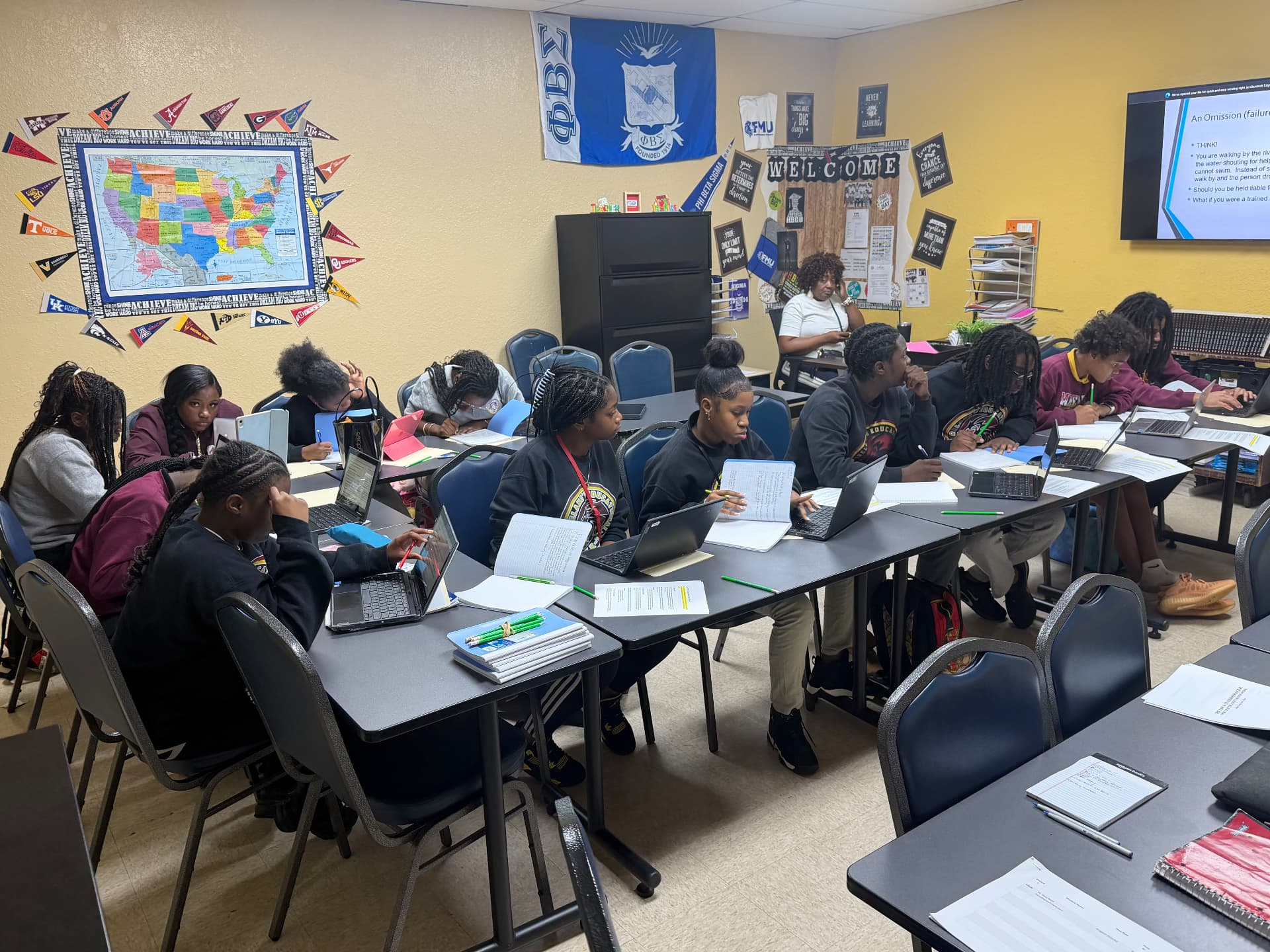
Civic learning in practice
Students step into the settings they study.
Public civic spaces help students connect classroom learning with Tennessee government and law. Visits are educational observations and do not imply institutional affiliation or endorsement.
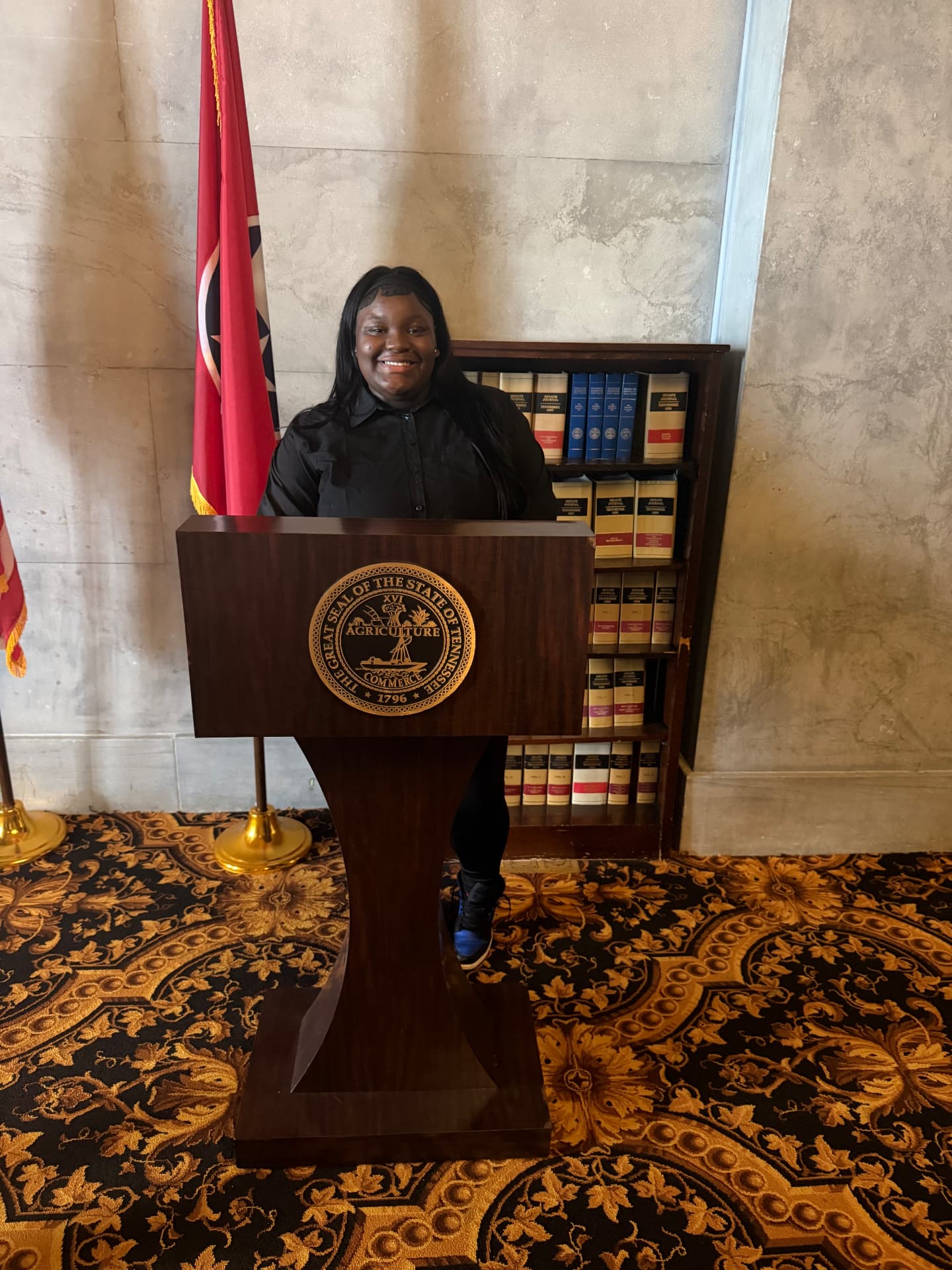

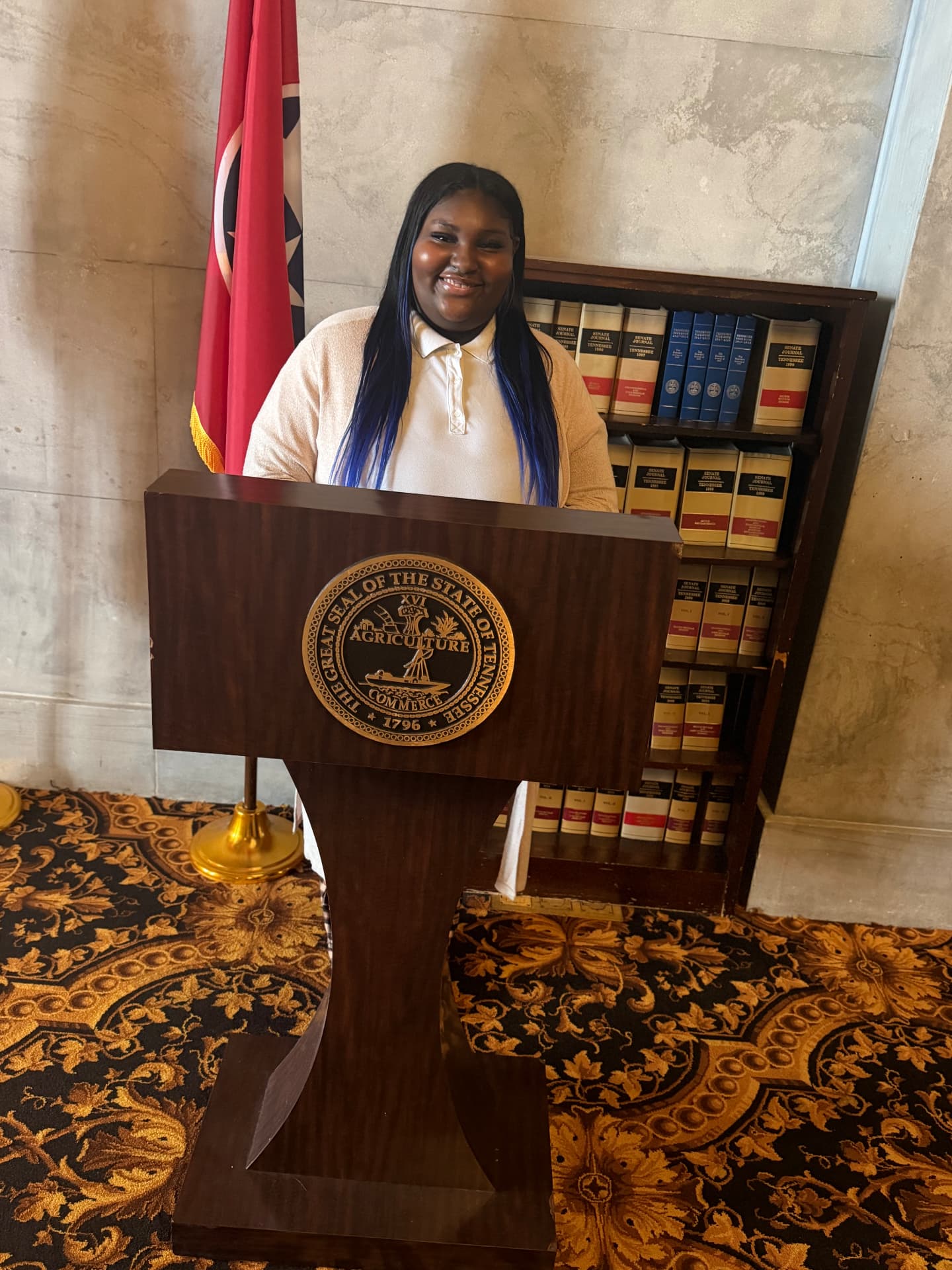
College readiness
National ACT and SAT testing.
LLS helps students understand national college entrance testing and plan for the assessment that best supports their goals.
Students who are interested in college admission may participate in the ACT, SAT, or both. Families register through the official testing organizations and select an available national testing site and date.
ACT or SAT participation is optional for students in the Leadership & Innovation and Service & Purpose tracks. It is mandatory for students in the Juris Collegiate Scholar track as part of their college-readiness pathway.
Approximate weekly model
A week at LLS.
For in-person students, a typical week is organized around observation and research rather than a single building.
2
Capitol Hill observation sessions
Observing committee and floor activity, public hearings, and the legislative process from publicly accessible galleries and spaces.
2
Court observation sessions
Observing open proceedings in Tennessee courts, followed by structured debrief and legal writing.
Designated
Library research days
Guided research and independent study in public research libraries, tied to current coursework.
Four learning pillars
How the model is organized.
Flexible Instruction
Core and legal-related courses delivered through in-person teaching and live virtual instruction according to each student's learning format.
Civic Observation
Weekly observation at Capitol Hill and in court, with research days in public libraries.
Independent Study & Electives
Self-directed projects, dual-enrollment options, and electives that deepen interest.
Legal-Related Education
Constitutional studies, civil and criminal law, legal research, trial advocacy, and policy.
Three academic tracks
Same rigor. Different destinations.
Students meet graduation requirements through traditional courses or approved legal-related equivalents that keep the standard while honoring their direction.
Juris Collegiate Scholar Track
Four-year university-bound students pursuing pre-law, political science, and related fields.
Leadership & Innovation Track
Technical, entrepreneurial, and career-focused students building practical leadership skills.
Service & Purpose Track
Workforce, military, apprenticeship, and homeschool students seeking purpose-driven education.
Graduation
The 22 + 4 credit diploma.
Every graduate completes Tennessee's 22 core credits plus four signature Law & Leadership credits — one each year — for 26 total.
| English | 4 |
| Mathematics | 4 |
| Science | 3 |
| Social Studies | 3 |
| Physical Education | 0.5 |
| Lifetime Wellness | 1 |
| Personal Finance | 0.5 |
| Elective Focus | 3 |
| World Language | 2 |
| Fine Arts | 1 |
- Year 1Foundations of American Law
- Year 2Trial Advocacy & Courtroom Practice
- Year 3Civic Leadership & Public Policy
- Year 4The Legal Eagle's Bar Exam
Courses are aligned to Tennessee Academic Standards. Alignment documentation is available on request.
Senior assessment
The Legal Eagle Bar Examination™
A five-part capstone — written exam, performance test, mock trial, oral argument, and leadership defense — modeled on the structure of a professional bar exam.
Internal school assessment only

Instructional design
Traditional and LLS: a respectful comparison.
Traditional schools serve millions of students well. LLS is designed for a specific kind of learner and family. Here is how the two approaches differ.
| Dimension | Traditional model | LLS model |
|---|---|---|
| Where learning happens | Primarily in one classroom building. | In-person and live virtual classrooms plus public civic settings: Capitol Hill, courts, and research libraries. |
| Who teaches | On-site teachers by subject. | In-person and live virtual teachers serving students in their chosen format, supported by practitioners. |
| How subjects connect | Subjects taught largely in parallel. | Legal reasoning, civic knowledge, and leadership embedded across every subject. |
| How students demonstrate learning | Tests, essays, and projects. | The same — plus oral argument, mock trial, legislative simulation, and a senior capstone assessment. |
| Calendar | Traditional August–May year. | Year-round nine-week terms with two-week breaks; enrollment at any term. |
Go deeper
School in the Center of Democracy
Why LLS teaches beside — not inside — the institutions of Tennessee government, and what that independence means for students.